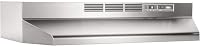
Sones vs Decibels: How Range Hood Noise Is Rated (October 2026)
Sones describe perceived loudness, while decibels measure sound level. For range hoods, compare figures only when the fan speed and test conditions match.
On this page (7 sections)
- Sones vs decibels: what does each measure tell you?
- Can you compare sones directly with decibels?
- What should a range hood noise rating chart include?
- Does CFM matter when comparing noise?
- Which of these range hoods suits a noise-focused buyer?
- How can you make a range hood quieter?
- What is the simple rule for choosing between sones and decibels?
Sones describe perceived loudness, while decibels measure sound level. For a range hood, the useful comparison is the noise at the fan speed and setup you'll use, not a number taken out of context.
A 1.5-sone figure and a 45 dB figure use different units. They don't create a direct ranking by themselves, so look for matching units, fan speeds, and stated conditions before you choose.
This guide explains what each measure tells you, how to read a range hood noise rating chart, and what else can change the sound in your kitchen.


Sones vs decibels: what does each measure tell you?
Sones describe how loud a sound is perceived to be, while decibels express sound level. Both can help you compare range hood noise when you know the conditions behind the figure.
Sones use a scale intended to reflect perceived loudness. A manufacturer may give a sones rating at a particular fan speed, which helps you compare that hood with another hood rated in sones under similar conditions.
Decibels, often written as dB, measure sound level on a logarithmic scale. A decibel number is useful when you compare readings taken in a consistent way, but it doesn't tell you by itself how a hood will sound at every speed or in every kitchen.
How should you read a range hood sones rating chart?
A range hood sones rating chart is useful when it identifies the speed or operating condition tied to each figure. A single number without that context can't tell you how loud the hood will be on high.
Look for three details: the noise unit, the fan speed, and the conditions used for the measurement. If one model gives a lowest-speed figure and another gives a working-speed figure, they aren't an even comparison.
A maker may also use a familiar sound as a reference. Broan-NuTone describes its 1.5-sone working-speed figure as like a refrigerator running, but that analogy is a guide rather than a measurement of your kitchen.
Can you compare sones directly with decibels?
Don't rank a sones figure against a decibel figure as if they were the same scale. Compare models using the same unit and similar operating conditions whenever possible.
The Broan-NuTone AMG03RWW has a 1.5-sone figure on working speed. COSMO gives 45 dB on the lowest fan speed with rigid ducting under optimal conditions, while AMZCHEF gives 63 dB without tying that number to a specific fan speed in the provided specifications.
Those figures don't mean one hood will be quieter than another in your home. They describe different units and, for the first two, different speeds and stated conditions.
If a hood has only one published sound figure, use it as a reference point rather than a complete noise profile. Check whether the brand provides a rating for the speed you expect to use.
What does a 1.5-sone range hood rating mean?
A 1.5-sone rating means the hood has a perceived-loudness figure of 1.5 sones under the stated condition. For the Broan-NuTone model here, that condition is working speed.
The figure can help if you are comparing another hood with a sones rating at a similar speed. It can't predict how sound travels through your room or whether the fan will be noticeable beside a conversation or television.
If you want a quiet hood, also consider its airflow options and how often you need higher fan speeds. Our guide to quiet under-cabinet range hoods covers noise as part of that broader choice.
What should a range hood noise rating chart include?
A useful range hood noise rating chart pairs each sound figure with its unit, fan speed, and test or installation conditions. Without those details, the numbers may describe different situations.
When you compare product information, note the following:
- Unit: sones or dB.
- Fan speed: lowest, working, or highest setting.
- Duct setup: rigid or flexible ducting, if specified.
- Conditions: whether the figure applies under optimal conditions.
- Airflow: the CFM tied to the operating mode, when given.
The COSMO figure is a good example of a condition-specific rating: 45 dB on the lowest speed with rigid ducting under optimal conditions. That qualifier matters because a different duct setup or speed can change what you hear.
The AMZCHEF specification gives 63 dB but does not attach the figure to one of its 3 speeds. Keep that limitation in mind if you are comparing it with a model whose sound rating is clearly tied to a particular setting.
Does ducting change how loud a range hood sounds?
Ducting can affect the sound you hear, so compare noise figures only when the duct conditions are similar. The COSMO's 45 dB figure is stated for rigid ducting under optimal conditions.
The path from hood to outdoors can include different duct sizes, lengths, and bends. Those details affect airflow and can change fan noise, so follow the manufacturer's installation directions for the exact model.
A ducted hood moves air outside, while a ductless hood filters and returns air to the room. If you're weighing those setups, see how ducted and convertible range hoods differ and whether ductless range hoods are effective.
Does CFM matter when comparing noise?
Yes, compare airflow alongside sound because a low noise figure matters less if the hood can't move enough air for your cooking. Match the noise figure to the speed that supplies the airflow you need.
The Broan-NuTone provides 350 CFM with 2 fan speeds and a 1.5-sone working-speed figure. COSMO provides 380 CFM with 3 speeds and a 45 dB figure for its lowest speed under stated conditions.
AMZCHEF's product title says 750 CFM, while its specification gives 700 CFM. Its noise figure is 63 dB, but no speed is attached to that number here, so don't assume it describes the same airflow as either other model.
Your cooking surface and ventilation setup help determine the airflow target. Use our guides to how much CFM a range hood needs and whether 400 CFM is enough before choosing based on noise alone.
Which of these range hoods suits a noise-focused buyer?
Choose based on the noise unit and conditions that match your comparison, then check whether the airflow fits your cooking. These three options illustrate why a figure alone doesn't settle the decision.
The Broan-NuTone is the direct option if you want a published sones figure. Its 1.5 sones applies on working speed, and it has 350 CFM airflow.
COSMO is the more clearly qualified decibel reference in this group. Its 45 dB figure applies to the lowest speed with rigid ducting under optimal conditions, and the hood has 380 CFM airflow.
AMZCHEF gives a 63 dB figure and 3 fan speeds. Since the figure isn't attached to a specific speed in the specifications, treat it as a comparison point rather than a full picture of operating noise.
If you want a broader set of quiet models, use the quiet under-cabinet range hood guide. Check the fan speed behind any quoted sound number before weighing it against your airflow needs.
How can you make a range hood quieter?
Use the right duct setup and choose the lowest fan speed that handles your cooking. A sound rating can't make up for an installation that restricts airflow or a hood that needs to run on high all the time.
Keep the duct route as direct as the installation allows, and use the duct size specified for the model. Avoid changing the setup without checking the manual, since an unsuitable path can affect performance and sound.
Clean grease filters as directed so buildup doesn't become another issue to manage. The COSMO and AMZCHEF models described here have dishwasher-safe filters, but follow each hood's cleaning instructions.
Choose a fan speed based on the cooking underway. You may need a higher setting for smoky or steamy cooking, so consider how often that happens rather than choosing only for the quietest setting.
For installation planning, also check how high a range hood should sit above the stove. The correct height depends on the model and cooking surface, so follow the hood's instructions.
What is the simple rule for choosing between sones and decibels?
Use sones to compare perceived-loudness figures with other sones figures, and decibels to compare dB readings taken under similar conditions. Then match the result to the fan speed and airflow you actually need.
Pick a sones-rated hood if its published speed and airflow suit your cooking and you want that unit for comparison. Pick a decibel-rated hood when its dB figure clearly states the speed and setup you care about.
For more model options, browse ductless under-cabinet range hoods if your kitchen needs recirculation. For a noise-focused shortlist, return to our quiet hood guide.
Frequently asked questions
Are sones or decibels better for comparing range hoods?
Neither unit is automatically better. Sones describe perceived loudness, while decibels measure sound level.
Compare the same unit at the same fan speed and under similar conditions, then consider the airflow you need.
A low noise figure at a weak speed may not reflect how you'll use the hood.
What does 1.5 sones mean on a range hood?
A 1.5-sone rating describes perceived loudness at the stated operating condition. For example, Broan-NuTone describes its 1.5-sone working-speed sound as equivalent to a refrigerator running.
That comparison gives a rough reference, but the sound in your kitchen depends on setup and surroundings.
Can you convert sones to decibels?
Sones and decibels describe sound differently, so a simple conversion is not a dependable way to rank range hoods. A comparison also needs the fan speed and measurement conditions.
Use a maker's published figure as a starting point, then compare models with matching units and conditions.
Why do range hood noise figures vary by speed?
A hood's fan can sound different at each speed because it moves air at a different rate. Duct size, duct length, bends, and installation can also affect the sound you hear.
Check whether a noise figure applies to the lowest speed, working speed, or another setting.
Does more CFM always mean a louder range hood?
More CFM doesn't by itself tell you how loud a hood will be. Fan design, speed, duct layout, and the conditions used for a sound figure also matter.
Compare both airflow and noise at the setting you expect to use, and check that the hood suits your cooking and duct setup.