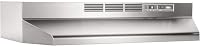
Recirculating vs Vented Range Hood: Which to Buy? (November 2026)
Pick a vented hood if you can run duct outside; pick a recirculating hood if you can't. A vented hood pushes smoke and moisture outdoors, while a recirculating hood filters the air and sends it back into the room.
On this page (9 sections)
- Recirculating vs vented: the quick verdict
- The two hoods side by side
- Ductwork: the first thing that decides it
- Filtration: what each type actually removes
- Airflow and noise: what to expect
- Installation: what each one demands
- Running costs and upkeep
- Who should buy which
- The verdict: vented wins when you can, recirculating when you can't
Pick a vented hood if you can run duct outside; pick a recirculating hood if you can't. A vented hood pushes smoke and moisture outdoors, while a recirculating hood filters the air and sends it back into the room.
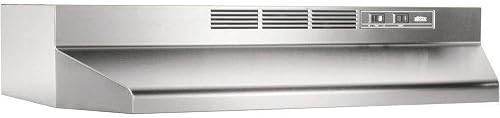
In this recirculating range hood vs vented comparison, we look at airflow, filtration, installation effort and upkeep so you can choose the right path for your kitchen. Both hoods below are 30-inch under-cabinet models.
The COSMO runs ducted out of the box and converts to ductless, while the Broan-NuTone is ductless only.

Recirculating vs vented: the quick verdict
A vented hood is the better buy for most kitchens because it removes grease, smoke and moisture completely. A recirculating hood is the practical fallback when ductwork isn't possible.
The COSMO COS-5MU30 is our pick for most readers. It runs as a vented hood and switches to recirculating with an optional carbon filter kit, so it fits either path.
The Broan-NuTone 413004 is the better fit when there's no way to run duct. It installs as a non-ducted hood only, using a charcoal filter to trap grease and odors.
If you're still weighing whether filtered air is good enough, our guide on how a recirculating range hood works explains the filter path step by step.
The two hoods side by side
The main split is ductwork: one hood can vent outside, the other cannot. Everything else follows from that.
| Product | Best for | Mount | Speeds | Duct size | Our score |
|---|---|---|---|---|---|
| COSMO COS-5MU30 Delta 30 Inch | most kitchens | Under cabinet | 3 | 5 in round | 8.9 |
| Broan-NuTone 413004 Ductless 30 Inch | duct-free kitchens | Under cabinet | 2 | 8.7 |
The COSMO COS-5MU30 measures 29.75 x 19.75 x 5.5 inches and uses a 5-inch round duct. Its 3-speed motor runs as low as 50 dB on the lowest setting with rigid ducting.
The slim 5.5-inch height leaves more room between the hood and the cooktop. It mounts under a cabinet or against a wall and ships with mesh filters, a backdraft damper, light bulbs and a mounting kit.
The Broan-NuTone 413004 measures 30 x 17.5 x 6 inches and moves up to 100 CFM. It uses a replaceable charcoal filter and separate rocker switches for the light and the 2-speed fan.
Its 6-inch height is a little taller than the COSMO, so check cabinet clearance before you buy. The charcoal filter is replaceable so you can keep grease capture working.
How the two units differ in the box
The COSMO arrives ready to vent. Its included components cover the filters, the backdraft damper that stops outside air from flowing back in, the light bulbs and the mounting kit.
To go ductless, you add the CFK4 carbon filter kit, sold separately.
The Broan-NuTone arrives as a ductless insert with its filter included. The light bulb is not included.
It's designed for LED, 75 watts max. If you use an incandescent bulb, buy light guard # S99110437 separately.
Plan for that bulb on day one.
Ductwork: the first thing that decides it
If you can run duct to an outside wall or roof, buy a vented hood. It's the only way to send cooking exhaust out of the kitchen.
A vented hood needs a duct run from the hood to the outside. The COSMO uses 5-inch round duct, and the shortest straight run to an outside wall is the easiest to install.
It vents from the top or the back, so the duct can leave through the cabinet bottom or straight out the wall behind the hood.
A recirculating hood needs no duct at all. That's its main advantage, and the reason it suits condos, apartments and kitchens where the stove sits far from an exterior wall.
When ductwork is easy to add
A short run through a nearby exterior wall is the simplest vented setup. If the stove backs onto an outside wall and the cabinets leave room for a duct, venting is the clear choice.
The COSMO's convertible design helps here. Run it ducted now and keep the option to switch to recirculating later if the layout changes.
The 5-inch round size is a common duct diameter, which helps when the run already exists.
When ductwork is not practical
A long duct run, a roof exit or a finished wall all make venting harder. Long runs also cut airflow, since every bend and extra foot of duct adds resistance.
In those cases a recirculating hood avoids the construction work entirely.
The Broan-NuTone 413004 is built for this path. It installs as a non-ducted hood, so air passes through its charcoal filter and returns to the kitchen.
It's designed for non-ducted use only, so there is no vented option to fall back on later.
Our post on whether ductless range hoods are effective covers how well filtered air handles everyday cooking.
Filtration: what each type actually removes
A vented hood removes grease and moisture from the kitchen; a recirculating hood traps some grease and odors but leaves heat and moisture behind. That's the real trade-off.
The COSMO's aluminum mesh filters catch grease and oil before the air leaves the hood. In vented mode, the rest of the exhaust goes outside.
Its two mesh filters are multi-layer, so they trap grease in stages as the air moves through.
The Broan-NuTone's charcoal filter is the whole filtration system. It's replaceable, so regular changes keep grease capture and odor control working.
The charcoal layer is what handles odors, since grease capture alone would not stop cooking smells from returning to the room.
What the mesh filters do in a vented hood
Aluminum mesh filters are washable and reusable. The COSMO's multi-layer mesh traps grease as air passes through, and you clean it rather than replace it.
Because there are two filters, grease capture is spread across a wider surface.
Grease that gets past the filter would coat the duct and motor over time. That's why the mesh matters in vented mode, even though the duct does the real removal work.
A clean mesh also keeps airflow strong, since a grease-clogged filter chokes the fan.
Our guide to ductless range hoods under cabinet covers filter choices for the recirculating path.
What the charcoal filter does in a recirculating hood
Charcoal filters trap odors, not just grease. The Broan-NuTone's filter is replaceable, so it needs periodic changes to keep working.
It is the only filtration stage in this hood, so its condition sets how well the unit performs.
A charcoal filter can't remove moisture or heat the way a vented hood can. Steam from boiling and smoke from searing both stay in the room, so a recirculating hood needs a kitchen with decent ventilation of its own.
A nearby window or a door to the rest of the house helps move that leftover air.
Airflow and noise: what to expect
A vented hood can move more air without pushing it through a filter, while a recirculating hood is limited by its filter path. Noise depends on the motor and speed, not the type alone.
The COSMO's 3-speed motor runs as low as 50 dB on its lowest setting with rigid ducting. Its top speeds give you room to clear heavy cooking.
The push button panel controls fan speed, lights and power from one place.
The Broan-NuTone's 2-speed fan moves up to 100 CFM. That's a modest airflow figure, suited to light cooking rather than high-heat searing.
Its separate rocker switches keep the light and fan on their own controls.
Matching airflow to your cooking
High-heat cooking, gas ranges and frequent frying need more airflow. A vented hood's duct lets it move more air than a filter path allows.
Three speeds on the COSMO let you run low for simmering and step up when a pan starts to smoke.
The Broan-NuTone's 100 CFM suits simmering, reheating and light everyday meals. If you sear steak indoors often, the ductless path will struggle no matter which brand you choose.
For airflow above all, our 36 inch ductless range hood roundup covers larger recirculating options.
Installation: what each one demands
A vented hood needs a duct run and an outside exit; a recirculating hood needs only power and a cabinet mount. The install effort is the biggest practical gap between the two.
The COSMO needs a 5-inch round duct to vent outside. It ships with flexible ducting, and HVAC tape is required at the connections.
Top or back venting both work. It runs on a standard 120V/60Hz outlet with the included 3-prong plug.
The Broan-NuTone needs no duct. It mounts under the cabinet with a charcoal filter and a power connection.
Install it at least 18 inches above the cooktop. It draws 2 amps and also uses a standard plug.
Vented install: plan the duct path first
Map the duct run before you buy. A short straight path to an outside wall is easiest, and every bend or extra length adds work.
The hood's 5-inch round outlet sets the size for the rest of the run.
The included backdraft damper stops cold outside air from coming back through the duct when the fan is off. Sealing each joint with HVAC tape keeps exhaust from leaking into the cabinet space.
You still need a sealed outside exit to finish the job.
Recirculating install: simpler, with a filter to maintain
The Broan-NuTone's install is the easier of the two. No duct, no outside exit, just the cabinet mount and power.
The 18-inch minimum height above the cooktop still applies.
The trade-off is the charcoal filter. Plan to replace it on a regular schedule, and keep a spare on hand so odor control doesn't lapse.
The light bulb is also a separate purchase, so pick one up before install day.
Running costs and upkeep
Both hoods need filter care, but a recirculating hood adds a recurring charcoal filter cost. A vented hood's mesh filters are washable and reusable.
The COSMO's aluminum mesh filters clean up and go back in. In vented mode, there's no charcoal filter to buy.
If you later convert the COSMO to ductless, you add the CFK4 kit and take on filter changes from then on.
The Broan-NuTone's charcoal filter is replaceable. Budget for replacements over the hood's life, since the filter is the whole odor-control system.
The replaceable filter design makes routine upkeep easier between replacements.
Cleaning the mesh filters
Wash the COSMO's mesh filters in warm soapy water and let them dry before refitting. Regular cleaning keeps grease capture working and protects the motor.
A clean mesh filter also keeps the fan running at its rated speed.
Replacing the charcoal filter
Change the Broan-NuTone's charcoal filter on a set schedule. A clogged filter reduces airflow and odor control, so don't wait until the hood stops working.
Check the filter more often if you fry frequently.
Who should buy which
Buy the COSMO if you can vent outside or want the option to switch later; buy the Broan-NuTone if ductwork is impossible. The right hood is the one that fits your kitchen's duct situation.
Choose the COSMO COS-5MU30 if you have a route to an outside wall or roof and want a vented hood with a 3-speed motor. It also works if you want to start vented and convert later with the carbon filter kit.
Its slim 5.5-inch height and brushed stainless finish suit compact kitchens and apartment remodels.
Choose the Broan-NuTone 413004 if there's no practical way to run duct. It installs as a non-ducted hood, handles light cooking, and needs only a cabinet mount and power.
Its simple rocker switches and replaceable filter keep upkeep straightforward.
Skip the Broan-NuTone if you do a lot of high-heat cooking. Its 100 CFM airflow and filter-only path suit lighter use better than heavy frying.
For that kind of cooking, hold out for a vented hood or a higher-airflow ductless model.
The verdict: vented wins when you can, recirculating when you can't
A vented hood is the better buy for most kitchens, and the COSMO COS-5MU30 is the pick because it works both ways. Go recirculating only when ductwork isn't practical.
The COSMO's convertible design gives you the vented performance most kitchens want, with the option to switch to recirculating later. That flexibility is why it scores highest here.
The 3-speed motor, quiet low setting and washable mesh filters round out a hood that covers both paths.
The Broan-NuTone 413004 is the right call when there's no duct path. It installs easily and handles light cooking with its charcoal filter.
Just plan for the bulb purchase and the filter replacements from the start.
So the recirculating vs vented range hood choice comes down to ductwork. Vent outside if you can; filter the air if you can't, and plan for filter changes.
Frequently asked questions
Is a recirculating range hood as good as a vented one?
No, a recirculating hood filters and returns the air rather than sending it outside, so it handles grease and odors less completely than a vented hood. It suits kitchens where ductwork isn't practical, but a vented hood is the stronger choice when you can install one.
Do recirculating hoods need a carbon filter?
Yes, most recirculating hoods rely on a charcoal or carbon filter to trap odors before the air goes back into the room. The filter needs replacing every few months, and the hood won't control odors well without it.
Can a vented hood be converted to recirculating?
Some convertible hoods, like the COSMO COS-5MU30, can run ductless when you add a carbon filter kit. Check the exact model before buying, since not every vented hood supports the switch.
How much does ductwork cost to install for a vented hood?
Ductwork cost depends on the run length, wall or roof exit, and whether the walls are open or finished. A short straight run through an outside wall is the simplest, while long runs or roof exits add more work and expense.
Which hood is quieter, recirculating or vented?
Noise depends on the motor and fan speed, not on whether the hood recirculates or vents. A vented hood can sound quieter at the same airflow because it doesn't push air through a filter, but the model matters more than the type.