How to Clean Range Hood Screens
Soak the screen in hot water with a heavy-duty degreaser for 15 to 30 minutes, scrub both faces with a soft brush, rinse it clear, and let it dry fully before putting it back. Run the screen through this routine about once a month in a busy kitchen, and the mesh stays open enough to keep pulling grease out of the air.
On this page (11 sections)
- How do you remove the screen from the hood?
- What supplies do you need for cleaning range hood screens?
- How long should you soak the screen?
- How do you scrub the mesh without bending it?
- How do you rinse and dry the screen?
- Can you clean the screen in a dishwasher?
- How do you clean the hood around the screen?
- When should you replace a screen instead of cleaning it?
- How often should you do this, and how do you keep grease down?
- What should you do if grease gets past the screen?
- The short version
Soak the screen in hot water and a heavy-duty degreaser for 15 to 30 minutes, brush both faces, rinse it clear, and dry it fully before refitting. That routine is the short version of how to clean range hood screens without bending the thin aluminum mesh.
Grease that fills the mesh slows airflow and turns tacky, so a filter left too long stops trapping what it should. The job is messy but short, and it takes less time than most people expect.
How do you remove the screen from the hood?
Turn the hood off first, then release the filter from its latch or frame. Most under-cabinet hoods hold the aluminum mesh with a spring latch, a sliding clip or a pair of small tabs at the front edge.
Pull the screen down and out at a slight angle so it clears the fan housing. Wear gloves if the mesh is coated in old grease, since the edges are sharp enough to nick a finger.
Set the screen on newspaper or a tray before carrying it to the sink. Grease drips from a full filter and marks cabinet doors and cooktops, so keep it level as you move.
Check the slot for loose debris while the screen is out. A soft cloth removes crumbs and dust around the opening before the clean screen goes back in.
What supplies do you need for cleaning range hood screens?
Hot water, a degreaser, a soft brush and a lint-free cloth cover almost every job. Skip steel wool and scouring pads, which scratch the aluminum and leave fibers in the mesh.
Fill a sink or a plastic tub with water as hot as your hands can stand. Add a degreaser made for kitchen grease; a heavy-duty spray breaks down baked-on film faster than dish soap alone.
Keep a soft-bristle brush or an old toothbrush for the frame corners. A second clean basin of warm water makes the final rinse quicker.
Which degreaser suits a greasy aluminum mesh?
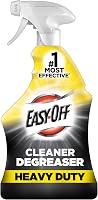
The Easy-Off Heavy Duty Degreaser Spray is the pick when the mesh is thick with old cooking grease. Its 32 oz bottle covers range hoods as well as countertops, grill grates and workbenches, so one can handles the filter and the surfaces around it.
Spray it on the screen before soaking, or add a short burst to the hot water to lift the film. Easy-Off says the formula breaks down stubborn grease and grime, and it's meant for hard, non-porous surfaces.
Easy-Off says not to let the spray dry on the surface and not to use it on aluminum surfaces. That's worth knowing here, so keep the spray on the mesh briefly and rinse it off rather than letting it sit.
A dishwasher tablet or a scoop of oxygen cleaner in the soak works as a gentler alternative for light grease.
How long should you soak the screen?
Soak for 15 to 30 minutes in hot degreaser water, and longer for heavy buildup. Ten minutes handles a lightly used hood; a filter that hasn't been washed in months may need an hour with a refresh of hot water halfway through.
Lay the screen flat so it stays fully submerged and the frame doesn't twist. Weight it down with a plate if it floats.
Don't leave aluminum soaking overnight in a strong alkaline cleaner. Long contact can dull the finish and pit the metal, and the mesh doesn't need it.
How do you scrub the mesh without bending it?
Brush along the frame and across both faces with light pressure, not into the center. The mesh is thin and the frame is what keeps it flat, so support the screen on a flat surface while you work.
Start at one corner and move in straight lines. A soft brush pushes loosened grease out of the openings, and the frame edges hold the shape.
Rinse under warm running water and hold the screen up to the light. If you can't see through the mesh evenly, soak it again rather than scrubbing harder.
A stubborn patch usually softens with a second soak. Brushing hard is what warps a screen and leaves it sitting loose in the hood.
How do you rinse and dry the screen?
Rinse until the water runs clear, then dry both faces completely before refitting. Leftover degreaser film attracts dust and can leave streaks on the hood.
Shake off excess water and pat the screen with a lint-free cloth. Stand it on edge to air dry in a dish rack or against a wall, away from splashing.
Don't put a wet screen back in the hood. Moisture in the filter slot encourages rust on steel parts and can drip onto a hot cooktop later.
Can you clean the screen in a dishwasher?
Yes, if the hood maker allows it, on the top rack with a normal cycle. Aluminum mesh screens often come out clean without hand scrubbing, and the cycle saves time on a busy week.
Check the manual first. Harsh dishwasher detergent and high drying heat can dull or pit aluminum over time, and some finishes don't survive repeated cycles.
Skip the dishwasher for a screen that's already bent or has a loose frame. The cycle can spread the damage, and a warped filter won't sit flat in the hood.
For more on the filter itself and when to replace rather than clean it, see our guide to how to clean a range hood grease filter.
How do you clean the hood around the screen?
Wipe the hood body and the filter slot while the screen is out. Grease collects on the underside and the front edge, and a clean screen only helps if the opening around it is clear.
Spray a stainless cleaner onto a cloth rather than the hood, then wipe with the grain of the metal. The Weiman kit includes a 12 oz spray, wipes and a reusable microfiber cloth, and its non-abrasive formula suits brushed finishes.
Weiman says the polish leaves a protective barrier that helps resist fingerprints and smudges, and the kit is safe for all stainless finishes. Use the wipes for quick touch-ups between deeper cleans.
Keep cleaners off the fan motor and any electrical parts inside the hood. Our guide to how to clean a stainless steel range hood covers the full exterior routine.
When should you replace a screen instead of cleaning it?
Replace the screen when the frame is bent, the mesh is torn or it no longer sits flat in the hood. Cleaning restores airflow, but it can't repair damage or replace missing mesh.
A screen that rattles, sags in the middle or leaves a gap at the edge lets grease past and into the fan. That grease is harder to remove later, so a damaged filter costs more than a new one.
The Bagean BPS1FA30 is an aluminum grease filter that measures 11.8 by 14.3 inches with a 0.35 inch thickness. Bagean says the mesh is thicker than the industry standard and the frame is reinforced to resist bending.
Bagean lists it as a fit for the Allure QS1, QS2 and WS1 30 inch hood series and for Kenmore hood filters. Measure your filter slot before ordering, since a screen that's a fraction too large won't latch.
How often should you do this, and how do you keep grease down?
Clean the screen about once a month in a kitchen used daily, and every two weeks if you fry often. A quick soak and brush keeps the mesh open, and the hood pulls air as it should.
Watch for a dull surface or a tacky feel when you touch the mesh. Either sign means grease has filled the openings and the screen needs a wash.
Wipe the hood after cooking and run the fan for a few minutes once the burner is off. These small habits slow the buildup between deeper cleans.
Do charcoal filters need the same routine?
No. Charcoal filters in ductless hoods don't get washed the same way.
Our guide to do range hood charcoal filters work explains what they trap and when they need replacing rather than cleaning.
What should you do if grease gets past the screen?
Clean the fan and the hood interior when grease reaches them. A screen that's been left too long lets grease through, and it coats the fan blades and the housing.
Wipe what you can reach from below, and follow the hood maker's steps before opening the housing. Our guide to how to clean a range hood fan motor covers the safe way to reach the blades and what to avoid near the wiring.
If the hood still feels weak after a clean screen, the duct or the fan speed may be the cause. Cleaning the screen is the first and easiest step, and it's the one most kitchens skip.
The short version
For anyone wondering how to clean range hood screens, soak in hot degreaser, brush flat, rinse clear and dry fully. Clean it monthly, replace it when the mesh or frame is damaged, and wipe the hood body each time.
Pick the Easy-Off spray for heavy grease, keeping it off the aluminum as the label warns. Add the Weiman kit for the stainless hood around the screen, and keep a spare Bagean filter on hand when the old mesh is past cleaning.
Measure the slot before you order a replacement so the new screen latches flat.
Frequently asked questions
How often should I clean my range hood screen?
Clean it about once a month in a kitchen used daily, and sooner if the mesh looks dull or feels tacky. Heavy frying or wok cooking can call for a wash every two weeks, since grease fills the openings and slows airflow.
Can I put an aluminum range hood screen in the dishwasher?
Only if the hood maker allows it. Many aluminum mesh screens survive a top-rack cycle on a normal setting, but harsh detergent and high heat can dull or pit the metal over time.
Hand washing gives you more control over the finish.
Does a clean screen stop smoke from rising past the hood?
A clean screen helps the hood pull air as designed, but it won't fix weak suction from a blocked duct or a hood that's too small for the cooktop. If smoke still curls past the edges after cleaning, check the duct path and the fan speed.
How do I stop the mesh from bending when I scrub it?
Lay the screen flat in the sink or a tray and brush along the frame rather than pressing into the center. Soaking first softens the grease so the brush glides, and a flat surface keeps the thin aluminum from warping under pressure.
What should I use on stainless steel after cleaning the screen?
Wipe the hood body with a cleaner made for stainless steel and buff with the grain. Avoid abrasive pads and ammonia-heavy sprays on brushed finishes, since they can scratch or streak the surface around the filter opening.