How to Clean a Stainless Steel Range Hood
To clean a stainless steel range hood, wipe away loose dust, clean grease with a suitable cleaner, then dry and buff with the grain. Check the hood manual first, and keep liquid away from controls and openings.
On this page (8 sections)
- How do you clean a stainless steel range hood?
- What should you check before using a cleaner?
- How do you remove grease from the hood exterior?
- Should you clean the filters separately?
- How do you avoid streaks and scratches?
- What should you avoid when cleaning a hood?
- How often should you clean a stainless steel range hood?
- Which supplies make sense for cleaning a stainless steel hood?
To clean a stainless steel range hood, wipe away loose dust, use a finish-safe cleaner for grease, then dry and buff with the grain. Check the hood manual before choosing a cleaner, and keep moisture away from controls, seams, and openings.
Use a soft cloth and work in small sections. A light touch helps protect the finish and makes it easier to spot residue before it dries.
How do you clean a stainless steel range hood?
Turn the hood off, let it cool, and wipe the exterior with a soft cloth in the direction of the grain. Use a cleaner approved for stainless steel and follow its label and the hood manual.
- Switch off the hood and wait until the surface is cool.
- Remove loose dust with a dry, soft cloth.
- Apply cleaner to the cloth when possible, rather than spraying near controls or openings.
- Wipe gently with the grain, using a clean part of the cloth for greasy areas.
- Remove any cleaner residue as directed by its label.
- Dry and buff the surface with a clean cloth.
Don't flood the hood with liquid or let cleaner sit unless its instructions say to do so. Avoid abrasive pads, steel wool, and harsh scrubbing, which can mark the finish.
For product-specific steps, follow the hood manual. If you're replacing a unit, our guide to how to replace an under-cabinet range hood covers the installation side of the job.
What should you check before using a cleaner?
Check both the hood manual and the cleaner label before applying anything. Stainless steel finishes and cleaner ingredients vary, so don't assume a product is safe just because it is marketed for kitchen use.
Test a small, hidden area first and let it dry so you can check for discoloration or streaking. Keep cleaner off switches, lights, vents, seams, and the underside of the hood.
If you're not sure what finish you have, contact the hood maker or use the cleaning method in its care instructions. Avoid mixing cleaners, since combinations can create harmful fumes or damage the surface.
Is a stainless steel polish useful for a range hood?
A stainless steel polish can help remove fingerprints and light residue while leaving a buffed finish. The Weiman Stainless Steel Cleaner and Polish Kit includes spray, wipes, and a reusable microfiber cloth, and its directions say to wipe with the grain and buff.
Use it only as directed and check compatibility with your hood finish first. The kit is meant for stainless steel surfaces; it doesn't repair existing scratches.
For an all-in-one approach, the spray and cloth can handle regular wipe-downs, while the wipes are useful for small touch-ups. Use a clean cloth for the final buff so leftover cleaner doesn't spread across the surface.
How do you remove grease from the hood exterior?
Use a cleaner labeled for the surface, apply it sparingly, and follow its rinse instructions. Grease can collect along the front edge and around the controls, so clean those areas carefully without soaking them.
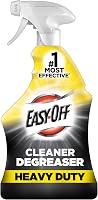
Easy-Off Heavy Duty Degreaser Spray is described for range hoods and other hard, non-porous surfaces. Its directions say to rinse thoroughly with water, not let it dry, and avoid aluminum.
Because stainless steel hoods can include other materials, check the manual and test a hidden spot before using a degreaser. Don't spray it directly toward switches, lights, seams, or openings.
If the hood maker doesn't approve that cleaner, choose a stainless steel cleaner or use the method in the manual. Wipe off all residue as directed, then dry the surface.
Should you clean the filters separately?
Yes, treat the filters as a separate cleaning task and follow the hood manual. Filters collect grease from cooking and may need more frequent care than the exterior.
Turn off the hood before removing filters, and handle them carefully so grease doesn't drip onto the cooktop. Some metal filters are dishwasher-safe, while others need hand washing; check the manual rather than guessing.
Our guide to how to clean a range hood grease filter explains common filter-care steps. If your hood uses charcoal filters, see whether range hood charcoal filters work to understand their separate role.
The Broan-NuTone BCSQ130SS Glacier 30 Inch has open mesh grease filters described as dishwasher-safe. Its details recommend changing filter model HPF30 every 6 months, so check that guidance against your model and manual.
Don't assume the same schedule or cleaning method applies to every hood. For a comparison of filter styles, read baffle vs mesh range hood filters.
How do you avoid streaks and scratches?
Use a soft cloth, a small amount of cleaner, and strokes that follow the grain. These steps reduce leftover residue and help avoid marks from rough tools.
Change to a clean section of cloth as it becomes dirty. If you still see streaks after drying, buff again with a clean, dry cloth instead of adding more cleaner right away.
Avoid abrasive powders, scouring pads, steel wool, and rough brushes unless the hood maker specifically allows them. Don't scrape dried grease with a blade.
What should you avoid when cleaning a hood?
Avoid soaking the hood, spraying into openings, and using cleaners that aren't approved for its finish. Moisture or residue around electrical controls can cause problems, and incompatible cleaners can damage surfaces.
Don't mix cleaning products or use a degreaser contrary to its label. Keep the fan and lights off while cleaning, and wait until the hood is dry before using them again.
If the fan stops working after cleaning, don't take apart electrical parts to investigate. Use the hood manual or contact qualified service; our guide to a range hood fan that isn't working but the light is covers common troubleshooting checks.
How often should you clean a stainless steel range hood?
Wipe the exterior when you see grease or fingerprints, and clean filters on the schedule in the manual. The right interval depends on how often you cook and how much grease your meals produce.
A quick exterior wipe after greasy cooking can keep residue from building up. Check the filter regularly, since a clean-looking hood exterior doesn't tell you whether the filter needs attention.
Which supplies make sense for cleaning a stainless steel hood?
For routine fingerprints and light grease, a soft cloth and a stainless steel cleaner are a practical starting point. The Weiman kit combines spray, wipes, and a cloth for wiping and buffing.
For heavier grease, consider the Easy-Off degreaser only if its instructions and your hood manual allow it on the surface. Follow its rinse directions and avoid aluminum.
If you're choosing a hood with filter care in mind, the Broan-NuTone BCSQ130SS has dishwasher-safe open mesh grease filters. Compare hood fit and installation needs in our under-cabinet range hood buying guide.
Use the hood manual to settle questions about cleaners, filter removal, and care intervals. A gentle wipe with the grain, followed by drying, is the safest general routine when the exact finish instructions are available.
Frequently asked questions
What is the best way to clean a stainless steel range hood?
Use a soft cloth and a cleaner approved for your hood's finish. Wipe with the grain, remove cleaner as directed, and dry the surface to limit streaks.
For greasy areas, start with a small amount of suitable cleaner and avoid soaking seams, buttons, vents, or other openings.
Can I use degreaser on a stainless steel range hood?
Only use a degreaser if its label and your hood manual say it's suitable for that surface. Some degreasers require rinsing and must not be used on certain materials.
Test an inconspicuous area, apply sparingly, and keep spray away from controls and openings.
How do I remove streaks from stainless steel?
Buff the dry surface with a clean, soft cloth, following the direction of the metal grain. Use less cleaner next time and change to a clean part of the cloth as it picks up residue.
Avoid rough pads that can scratch or dull the finish.
How often should I clean a range hood?
Wipe the exterior when grease or cooking residue appears, and clean filters on the schedule in the hood manual. Heavy frying and frequent cooking can make the filter need attention sooner.
A clean exterior does not replace filter care.