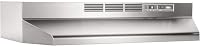
Ducted vs Ductless Range Hood: Which Is Better? (November 2026)
Pick a ducted hood when you can run a vent outside; pick ductless when the outside wall or roof is out of reach. In this ducted vs ductless range hood comparison, your building and cooking habits decide more than the hood itself.
On this page (10 sections)
- Ducted vs ductless range hood: the quick verdict
- Ducted vs ductless side by side
- Which hood handles strong cooking better?
- Which is harder to install?
- Ductless vs ducted in a small kitchen
- Where ductless hoods fall short
- Filter and upkeep differences
- Who should buy which
- The four hoods compared
- Which is better for your kitchen?
Pick a ducted hood when you can run a vent outside; pick ductless when the outside wall or roof is out of reach. That one fact settles the ducted vs ductless range hood question for most kitchens before you look at a single model.
Ducted hoods send cooking air outdoors. Ductless hoods filter it and blow it back into the room.
The rest is detail: install work, filter upkeep and how much airflow you actually get. Here is how to weigh it.

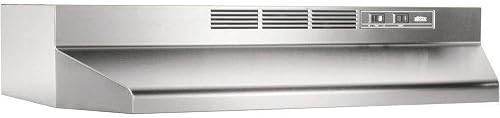
Ducted vs ductless range hood: the quick verdict
For most kitchens, ducted is the better hood. It removes smoke, odors and moisture from the house instead of recirculating them, and it gives you the strongest airflow options.
Ductless wins when the building makes a vent impossible. Apartments, rentals and interior kitchens often have no outside wall near the stove.
The two setups are not equal in performance. A ducted hood moves air out.
A ductless hood cleans air and puts it back, minus most of the grease and some of the odor.
So match the choice to your walls first, then your cooking second.
Ducted vs ductless side by side
The core difference is where the air goes. A ducted hood exhausts to the outdoors; a ductless hood recirculates through a filter.
| Feature | Ducted | Ductless |
|---|---|---|
| Where air goes | Outdoors through a duct | Back into the kitchen |
| Grease removal | Vented out with the air | Trapped by mesh or baffle filters |
| Odor removal | Full exhaust | Partial, via a carbon filter |
| Install work | Duct run, wall or roof cap | Mount and plug in |
| Ongoing cost | Washable grease filters | Replaceable carbon filters |
| Best for | Houses, heavy cooking | Rentals, interior kitchens |
The short version: ducted does more, but only if a vent route exists. Ductless does less, but it works almost anywhere.
What each setup removes
A ducted hood removes smoke, odors, steam and grease all at once, because all of that leaves the building. A ductless hood captures grease in its filter and passes the air across carbon, which absorbs some odor compounds.
The word "some" matters. Carbon filters reduce odors but do not fully remove them, so fried fish or a seared steak can still leave a smell behind.
The grease side is more reliable. Aluminum mesh filters in ductless hoods trap grease before the air goes back into the room, so a ductless hood really does cut the greasy film that settles on cabinets.
What it cannot do is remove the airborne smoke and moisture that a vent would push outside.
Which hood handles strong cooking better?
Ducted hoods handle strong cooking better. High heat, frying and wok cooking produce smoke and grease fast, and venting outdoors is the only way to get rid of it fully.
Ductless hoods are built for lighter duty. The carbon layer catches grease and cuts odors, but smoke and moisture still return to the room.
If you cook with high heat several times a week, a ducted hood is the right call when the building allows it. The SNDOAS USGF3976S gives you that option with 230 CFM, and it can also recirculate if you later find no vent route.
If your cooking is mostly simmering, boiling and reheating, ductless is fine. The Broan-NuTone 413004 is built for exactly that, with a replaceable charcoal filter and a two-speed fan.
Airflow you can actually use
Airflow is only as good as the path it travels. A ducted hood pushed through a long, twisting duct loses efficiency, so a short straight run is the goal.
Ductless hoods bypass that problem entirely, but they cap what the fan can achieve. Their rated airflow describes air recirculating, not air leaving the house.
That is why the same CFM number means different things in each setup. A ducted 230 CFM clears a kitchen; a ductless 230 CFM filters air that stays inside it.
Matching CFM to your cooking
The airflow figure tells you how much air the fan moves, and the range of this group runs from 100 CFM on the Broan-NuTone 413004 to 230 CFM on the SNDOAS. The COMFEE' sits between them at 200 CFM.
For light cooking, a lower figure is enough. The Broan 100 CFM setup suits simmering and reheating, and its two-speed fan lets you drop to the lower setting for quiet stretches.
For heavier cooking, aim higher. The SNDOAS 230 CFM gives the most airflow in this comparison, and the COMFEE' 200 CFM is close behind.
Both offer a low and high setting so you can run them gently or at full power as the pan heats up.
Which is harder to install?
Ductless is easier to install, usually by a wide margin. You mount the hood under the cabinet, connect power and fit the filter.
Ducted installation adds a duct run. That can mean cutting a hole in a wall, roof or cabinet, fitting a wall cap outside, and sometimes hiring a contractor.
The work depends on the route. A straight run out the back wall of a house is simple.
A run through a finished ceiling, across joists and out a roof is a project.
Ductless installation in a rental
In a rental, ductless is often the only practical choice. No exterior holes, no landlord approval for structural work, and no patching when you move out.
The COMFEE' Range Hood 30 Inch Under Cabinet suits this role well. It is 5.6 inches tall, fits under a cabinet, and comes with both a mesh filter for ducted use and a carbon composite filter for ductless use.
That dual setup is useful in a first home too. You can run it ductless now and switch to ducted when the vent goes in.
Ducted installation and the vent route
Before buying, find the shortest path from the hood to open air. A back-wall vent behind the stove is the easiest.
A straight-up run through a cabinet to the roof comes next.
Bends, long runs and narrow duct add back pressure, which slows airflow. Keep the run short and the duct smooth if you can.
The SNDOAS shows how the vent route shapes the install. It supports vertical venting out the top or horizontal venting out the back, and a round air outlet and an indoor baffle are part of the kit.
The duct pipe itself is not included, so you buy the length and fittings that match your route.
For more on how the two setups compare in practice, our look at ducted vs non ducted range hood options covers the trade-offs in detail.
Ductless vs ducted in a small kitchen
Small kitchens do well with either, as long as the hood is sized to the stove. Width matters more than setup here: a 30-inch hood over a 30-inch range catches most of the plume.
Space above the cooktop is the tighter limit. A slim hood leaves more room for cabinets and for lifting pots.
The SNDOAS USGF3976S is the slimmest pick here at 4.7 inches, and it can vent up, vent back or recirculate. That flexibility helps in a condo where the vent route is not obvious yet.
In a cramped layout, a ducted run may simply not fit. A ductless hood keeps the kitchen functional with no duct to route.
If that is your situation, it helps to know are ductless range hoods effective enough for everyday cooking, and the short answer is yes for light to moderate use.
Where ductless hoods fall short
Ductless hoods leave odors, moisture and some smoke in the room. That is the real cost of skipping a vent, and it shows up over time.
Moisture is the underrated part. Steam from boiling and pasta water returns to the kitchen, where it can settle on walls and cabinets.
Carbon filters also wear out. Comfee suggests replacing its carbon composite filter every 3 to 4 months, so ductless carries an ongoing filter cost that ducted hoods avoid.
None of this makes ductless a bad choice. It makes it a trade: convenience now, less air quality later.
Filter and upkeep differences
Ducted hoods need only washable grease filters cleaned; ductless hoods add a carbon filter to replace. That is the main running-cost gap between the two.
Mesh and baffle filters trap grease. They can usually go in the dishwasher or be hand-washed, and they last for years.
Carbon filters absorb odors until they are saturated, then they stop working. Replacement intervals vary, but a few months of regular use is typical.
Cleaning routine for each
For a ducted hood, wash the grease filter every month or two, depending on how much you fry. Wipe the hood body with a damp cloth.
For a ductless hood, do the same and add a carbon filter swap on schedule. A saturated carbon filter can start to smell itself, so replacing it on time matters.
The COMFEE' uses a combined aluminum and carbon composite filter for ductless mode and a separate reusable aluminum mesh for ducted mode. That makes the switch between setups simple.
The SNDOAS follows the same pattern, pairing an aluminum mesh filter with a carbon cotton composite filter and including a replacement part number for the carbon layer.
Which hood is easier to keep clean?
Stainless steel bodies on the COMFEE' and SNDOAS are easy to wipe, and so is the metal finish on the two Broan-NuTone models. The difference is in the filter routine.
The Broan-NuTone 413004 and 413023 both use a replaceable charcoal filter and quick-release filters that can go in the dishwasher. That keeps cleaning simple, but the charcoal layer is a consumable you buy again.
The COMFEE' and SNDOAS mesh filters are washable and reusable in ducted mode. In ductless mode, the carbon layer is what needs replacing.
Who should buy which
Buy ducted if you own the home, cook often and have an outside wall or roof nearby. Buy ductless if you rent, live in an apartment or have no vent route at all.
The decision is mostly about your building, then about your cooking. A ducted hood on a bad duct run underperforms, and a ductless hood in a heavy-fry kitchen leaves odors behind.
Our picks map to those cases. The COMFEE' suits anyone who wants flexibility.
The Broan-NuTone 413004 is the simple ductless choice. The SNDOAS brings a slim profile and two vent routes.
The black Broan-NuTone 413023 matches dark cabinets.
If you want a finished look in a dark kitchen, the black Broan-NuTone 413023 is the only pick here in black. It draws 1 amp, which matters if you are checking what a circuit can carry.
For wider selection, see our list of the best ductless range hoods under cabinet if ductless is your path.
The four hoods compared
Each pick below covers a different kitchen layout, from a full vent-ready house to a rental with no outside wall. They are listed by score, so the top pick fits the most setups.
The scores weigh specs and features against what you are shopping for, including airflow, width and setup flexibility.
If you need a wider 36-inch hood instead, our picks for the 36 inch ductless range hood cover the bigger kitchens.
Which is better for your kitchen?
Ducted is better for most houses, and ductless is better for most rentals. Run through the three questions below and the answer is usually clear.
First, is there an outside wall or roof near the stove? If yes, ducted is open to you, and it is the stronger choice.
Second, do you own the place? If not, ductless avoids cutting holes you would have to patch.
Third, how do you cook? Heavy frying needs a vent.
Light simmering works with a filter.
If the answer to all three favors ductless, take the Broan-NuTone 413004 for a simple build or the COMFEE' if you might add a vent later. If ducted is possible, go ducted and pick a hood with the airflow to match your stove.
That is the whole ducted vs ductless range hood decision: vent route first, cooking second, hood third. Get the first one right and the rest follows.
Frequently asked questions
Is a ducted or ductless range hood better for smells?
Ducted hoods push smoke and odors outside, so they clear the air best. Ductless hoods pass air through a carbon filter and return it to the kitchen, which handles grease and light odors but not strong cooking fumes.
Can I convert a ductless hood to ducted later?
Only if the hood is built as a convertible model, like the COMFEE' or SNDOAS picks here. A ductless-only hood has no vent opening and cannot be ducted without replacing it.
How often do ductless hood filters need changing?
Comfee suggests replacing its carbon composite filter every 3 to 4 months. Grease filters, by contrast, are usually washable and can go in the dishwasher.
Does a ductless hood need a wall vent?
No. A ductless hood recirculates air back into the kitchen, so it needs no exterior hole.
That is its main advantage in apartments and rentals where cutting a wall is not allowed.
Which costs more to run, ducted or ductless?
Ductless adds filter replacement costs, since carbon filters wear out and must be bought again. Ducted hoods only need their washable grease filters cleaned, so ongoing costs are lower once the duct run is paid for.