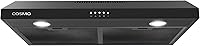
How to Measure for an Under Cabinet Range Hood
Measure three things first: the cabinet opening width and depth, the space from the cooktop to the bottom of the cabinet, and where the duct or vent exits. Buy a hood that fits the cabinet opening, leaves the clearance the maker requires above the cooktop, and matches your ducting.
On this page (9 sections)
- What should you measure first for an under cabinet range hood?
- How much clearance do you need above the cooktop?
- How do you find and measure the duct opening?
- How wide should the hood be for your cooktop?
- How do you size airflow and noise for the hood?
- Which hood type fits your measurements?
- Which filters and parts do your measurements affect?
- What else should you check before you buy?
- How do you turn your measurements into a hood choice?
The way to measure for an under cabinet range hood is to start with the cabinet, not the hood. Measure the opening width and depth, the drop to the cooktop, and where the duct exits before you look at models.
Write every number down as you go. A hood that fits the width but leaves too little clearance, or lines up poorly with the duct, will cost you a return and a second round of installation work.
What should you measure first for an under cabinet range hood?
Start with the cabinet opening width and depth, because those two numbers decide which hoods can mount at all. Measure the opening itself, not the whole cabinet run.
Measure the width of the flat bottom panel at the front and again at the back, since older cabinets are rarely square. Then measure the depth from the wall to the cabinet's front edge, because a hood usually matches that depth closely.
Measure the cabinet opening width and depth
Run the tape along the cabinet's bottom edge and note the width in inches. Measure at the front and back and keep the smaller figure.
If a face frame or side panels extend past the bottom, measure the clear opening between them.
Compare the opening's center to the cooktop's center line, since the hood should sit centered over the burners. A 30 in cooktop pairs with a 30 in hood, and a 36 in cooktop under a 30 in hood leaves burners uncovered.
Next measure from the wall to the cabinet's front edge. Note any trim or backsplash lip at the mounting height, and check that the wall is flat, because a bowed wall can tilt the hood and throw off the duct alignment.
Treat the cabinet opening as the fixed limit. A hood that is too wide or too deep cannot be trimmed to fit.
How much clearance do you need above the cooktop?
Clearance is the distance from the cooking surface to the bottom of the hood, and it has a minimum for safety and performance. Measure from the cooktop grates or burner tops, not from the counter.
The hood maker states a minimum, and local code may set a stricter one. Common guidance puts electric cooktops around 24 in and gas cooktops around 27 to 30 in, so confirm the figure for your fuel type.
Check the drop from cabinet to cooktop
Hold the tape at the cooktop surface and read the height to the underside of the cabinet. That is the maximum drop available for the hood plus any gap.
Subtract the hood's height to find the clearance left. A cabinet bottom 30 in above a gas cooktop with a 6 in tall hood leaves 24 in, which may fall short of the gas minimum.
Moving a cabinet is the most expensive fix, so measure twice.
Measure for the hood's height and depth
Hood height runs from the mounting flange to the bottom edge. Add it to your target clearance to get the total drop from the cabinet.
Hood depth runs front to back. A deeper hood captures more smoke but projects further over the cooktop and can block sight lines.
Keep the hood within the cabinet's footprint so it looks built in and doesn't catch on things you lift toward the cabinet.
Set your clearance target before you shop and use it to filter hoods. The right model meets the minimum without forcing you to move cabinets.
How do you find and measure the duct opening?
The duct opening location decides whether you need a ducted or convertible hood. Look under the cabinet for a cutout left by the old hood or a mark on the wall behind it.
Measure from each cabinet edge to the center of the opening. Note the opening's shape and size, since round and rectangular ducts take different hood collars.
Measure a vertical duct through the cabinet
Measure the center of the cutout in the cabinet bottom from the left and right edges. A centered opening usually means a hood with a centered top outlet will line up.
Check the cutout size against the hood's duct collar, since a rectangular collar on a round hole needs an adapter that adds height inside the cabinet. Note whether the duct runs straight up or turns, because a short straight run vents better than a long one with several bends.
Measure a horizontal duct through the wall
Measure the wall opening's center height above the cooktop and its distance from the cabinet's side. A rear outlet hood sends air straight back through that hole.
Check that the opening sits behind the hood's footprint, since one off to the side may need a different hood or a short duct run behind the cabinet. With no wall opening and no cabinet cutout, the kitchen may call for a ductless hood instead.
Measure the duct size and run
Measure the duct's diameter if it is round, or its width and height if it is rectangular. The hood's collar should match, or you'll need an adapter that can restrict airflow.
Count the bends and estimate the total length from hood to outside, since long runs with tight turns cut the air a hood can move.
Write down the duct type, size, center position and run length in one place. Those four facts keep you from buying a hood that fits the cabinet but not the venting.
How wide should the hood be for your cooktop?
The hood should match the cooktop width or cover it edge to edge, with a little extra on larger burners. Measure the cooktop itself, not just the cabinet opening.
A hood narrower than the cooktop leaves smoke and steam escaping at the edges, while one wider than the cabinet opening won't mount without changes. For most kitchens the cabinet opening and the cooktop are the same width.
When they differ, the cooktop width is the one to respect for performance.
Measure the cooktop width and burner spread
Measure the cooktop from edge to edge across the front. Then note where the outer burners sit, since a wide grate layout pushes smoke toward the sides.
If the outer burners sit close to the edges, a hood that covers the full cooktop captures more smoke. Check the front-to-back depth too, because a deep cooktop with rear burners sends smoke up close to the wall.
Measure the gap on each side of the cabinet
Measure from the cabinet opening's edge to the next cabinet or wall on both sides. These gaps show how much room a wider hood would have.
If cabinets flank the opening with no gap, a wider hood cannot fit, and the opening stays the hard limit. Where there is space, a hood a few inches wider than the cooktop can improve capture, as long as it still centers on the burners.
Pick the width last, after the cabinet and cooktop measurements, so both fit and coverage work.
How do you size airflow and noise for the hood?
Airflow should match your cooking and the duct you have, not just the hood's width. A 30 in hood in a normal kitchen usually works in the 200 to 300 CFM range.
More burners and higher heat call for more airflow, and a two-speed fan gives you a quiet setting for simmering and a stronger one for searing. Noise rises with airflow, so compare sones or decibels when the numbers are published.
A hood that roars at full speed gets used less often.
Estimate CFM from your cooktop
Start with the burner count and heat output. Gas cooktops with high-output burners and wok cooking push more smoke than a low-flame electric range.
A common rule of thumb adds about 100 CFM for each 10,000 BTU of burner output. Use it as a starting point and round up to the nearest hood setting.
For a 30 in hood over a typical range, 200 to 300 CFM covers everyday cooking.
Check the duct size against the CFM
A hood's blower needs a duct large enough to carry the air. A small duct chokes a strong blower, so the extra CFM never reaches the kitchen.
Match the duct size the hood lists to the duct you measured. Round 6 in or rectangular 3.25 x 10 in ducts are common in this class.
If your duct is smaller, choose a hood with a matching collar, since an adapter that necks the duct down works against you.
Choose the lowest airflow that clears your cooking, then check the noise at that setting. A modest hood you use daily beats a powerful one you avoid.
Which hood type fits your measurements?
The measurements point to a type: ducted, ductless or convertible. Each one handles the duct opening differently, so the venting facts you wrote down decide the shortlist.
Ducted hoods push air outside and need a real duct path. Ductless hoods filter and recirculate air with no duct at all.
Convertible hoods can do either, which helps when the duct is uncertain. If your duct situation is unclear, read what is a convertible under cabinet range hood before you commit.
Ducted hoods for a clear vent path
Choose a ducted hood when you have a straight run to the outside and the duct size matches. These hoods clear smoke and moisture most directly.
Measure the run and the collar size first, then look for a hood that meets both, since a ducted hood without a matching path wastes its airflow. Our guide to the best ducted range hoods under cabinet compares models built for this setup.
Ductless hoods for kitchens without a duct
Choose a ductless hood when there is no duct opening and adding one is impractical. It filters grease and odors and returns the air to the room.
Broan-NuTone lists a 100 CFM airflow capacity and a 30 in width for this model. The charcoal filter is replaceable, and the hood installs at least 18 in above the cooktop.
It suits a kitchen where the cabinet opening is 30 in wide and no outside vent exists. The lower airflow fits light cooking better than heavy searing.
Convertible hoods for flexible installation
Choose a convertible hood when you want the option to vent out or recirculate later. It fits more than one duct situation, so a change in plans doesn't mean a new hood.
Broan-NuTone rates this model at 230 CFM with two speeds and a dishwasher-safe aluminum mesh filter. It has a 30 in width and a 6 in height that fits under many cabinets.
The four-way convertibility helps when the duct opening is offset or absent. Match its vent direction to your measurements before mounting.
For a darker finish in the same class, see the best black under cabinet range hood options.
Which filters and parts do your measurements affect?
Filter size follows the hood's footprint, so measure the filter bay if you plan to replace or upgrade a filter. The hood's listed filter size is the safe starting point.
Grease filters catch the bulk of the cooking grease, while charcoal filters handle odors in ductless setups and need regular replacement. Measure the filter opening's length and width before buying a replacement.
A filter that is a little too large won't seat, and one that is too small lets grease past.
Measure and match a grease filter
Measure the filter bay from edge to edge in both directions. Then compare that to the filter's listed dimensions.
The Bagean filter is 14.3 in long, 11.8 in wide and 0.35 in thick, in a set of two. Bagean says it fits the Allure QS1 QS2 WS1 30 in hood series, and it also fits some Kenmore hood filters.
Check your bay measurements against those figures before ordering.
Plan charcoal filters for a ductless hood
A ductless hood needs a charcoal filter to trap odors. These filters wear out, so note the hood's model number at install.
Match the charcoal filter to the hood model, not the cabinet size, since the hood's documentation lists the filter it takes. If you switch a convertible hood from ducted to ductless later, buy the charcoal filter then, because storing one early risks the wrong part.
Check the filter bay against the listed size before you buy replacements.
What else should you check before you buy?
A few more checks prevent surprises after the box arrives. Confirm the mounting hardware, the electrical supply and the hood's weight against your cabinet and wall.
The hood hangs from the cabinet, so the bottom panel and its fastening to the wall need to carry the load.
The electrical connection matters too, since the cord length and outlet position decide whether the reach works.
Check the cabinet's strength and mounting points
Look at how the cabinet attaches to the wall and how thick its bottom panel is. A hood adds weight to that panel every time you use it.
Measure the mounting hole pattern if the maker publishes one, or plan to drill new holes that avoid the cabinet's hardware. Keep the holes clear of shelf pins and drawer slides.
Add a support board under a thin panel if the hood's weight needs spreading.
Check the power supply and cord reach
Find the nearest outlet or junction box and measure the distance to the hood's location. Note whether the hood comes with a cord or needs hard wiring.
Plan the cord route so it doesn't cross the cooktop or hang where it can catch. If the outlet is behind the hood's body, the plug may not fit in the remaining depth, so measure that gap before you mount anything.
Check the hood's weight against the cabinet
Note the hood's shipping and installed weight from the maker's figures. A heavier hood needs stronger fastening and possibly two people to lift it into place.
Clear the counter below before installation so you have room to work, and plan for a helper on a tall cabinet.
Clear these checks before you order so the install day goes smoothly. Cabinet strength, power and weight are easy to confirm with a tape measure and a quick look.
How do you turn your measurements into a hood choice?
Put the numbers in order and let each one remove options. The cabinet opening sets the width, the cooktop height sets the clearance, and the duct sets the type.
Build a shortlist from width and depth, then drop any hood that can't meet the clearance above your cooktop. Next match the duct path: a clear outside vent favors a ducted hood, while no duct favors ductless or convertible.
Finally, size the airflow to your cooking.
A quick order of checks
Use this order when you compare models:
- Cabinet opening width and depth.
- Clearance from the cooktop to the cabinet bottom.
- Duct opening type, size and position.
- Cooktop width and burner spread.
- Airflow and noise at the speed you'll use most.
When a measurement is borderline, choose the hood with the most margin. A little extra clearance and a matching duct size save work later.
Pick the hood your kitchen can actually fit
If your cabinet opening is 30 in and you have a duct, a ducted or convertible 30 in hood fits best. With no duct, choose ductless or convertible and plan for charcoal filters.
If the opening is a different width, match the hood to that figure and check cooktop coverage. A hood that fits the cabinet but misses the burners still leaves smoke in the room.
Keep your notes after you measure, so they guide the replacement when this hood wears out.
Our walkthrough on how to replace under cabinet range hood picks up where the measurements end. It covers removal, mounting and the first test run.
Frequently asked questions
What is the most important measurement for an under cabinet range hood?
The cabinet opening width comes first, because the hood has to mount under that cabinet and line up with the cooktop. Measure the opening at the front and back edges, then check the cabinet depth and the clearance down to the cooktop before you shop.
How much space should be between the cooktop and the hood?
Plan for the clearance the hood maker states, and never less than the code minimum for your area. Many electric cooktops allow around 24 in and gas cooktops around 27 to 30 in, so confirm the number for your model and fuel type before you buy.
Can a 30 inch hood fit a 36 inch cabinet?
No. A 30 in hood under a 36 in cabinet leaves gaps on both sides and won't cover the full cooktop.
Match the hood width to the cabinet opening, or choose a wider hood if the cabinet and cooktop call for one.
How do I find the duct opening under my cabinet?
Look under the cabinet for a cutout or a mark left by the old hood, then measure from each cabinet edge to the center of that opening. If there is no opening, note which direction the duct runs and pick a convertible hood that can vent that way or recirculate.
How many CFM does a 30 inch under cabinet hood need?
A 30 in hood usually works well in the 200 to 300 CFM range for light to medium cooking. Match CFM to burner output and cooktop width, and check the duct size the hood needs so the blower can move that air.